

When indoor PM is rising, the first diagnostic question is whether outdoor PM is rising too. Open the dashboard's outdoor view. If outdoor PM is high, you have an infiltration problem; if outdoor is clean, you have an indoor source. The intervention differs.
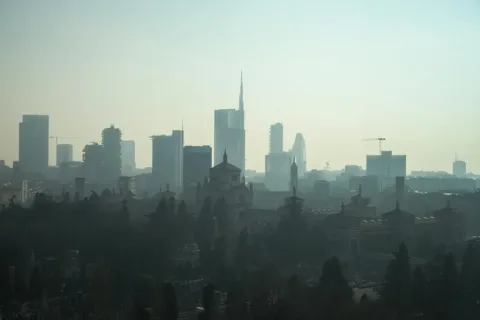
Outdoor-driven (infiltration): close windows, run HEPA filtration, switch HVAC to recirculation rather than fresh-air intake. If outdoor PM is wildfire-level (PM2.5 > 35 µg/m³), this is a wildfire infiltration event; see wildfire smoke and Corsi-Rosenthal. If outdoor PM is moderate, lighter HEPA running plus closed windows is usually sufficient.
Indoor source (outdoor PM normal): identify the source by signature. PM2.5-only with NOx rise = cooking, see cooking fingerprints. PM2.5-only with VOC rise = candles or incense, see candles. PM10 rise with little PM2.5 = dust, pollen, or dander, see pet dander or pollen. Sustained PM2.5 with broad VOC = wood combustion, see wood stoves.
Intervention by source: cooking → run the range hood (see range hood); candles → ventilate or extinguish; dust/pet → HEPA in the affected room; wood → improve burn quality, vent properly, or stop. For all source types, see recovery time math to estimate when the air will clear. If the source cannot be removed and intervention is limited (renters, multi-unit), see renter's guide.
References
- EPA - Guide to air cleaners in the home www.epa.gov
- EPA - Wildfire smoke course www.epa.gov
- AHAM - CADR program for room air cleaners aham.org
- WHO Global Air Quality Guidelines (2021) www.who.int