
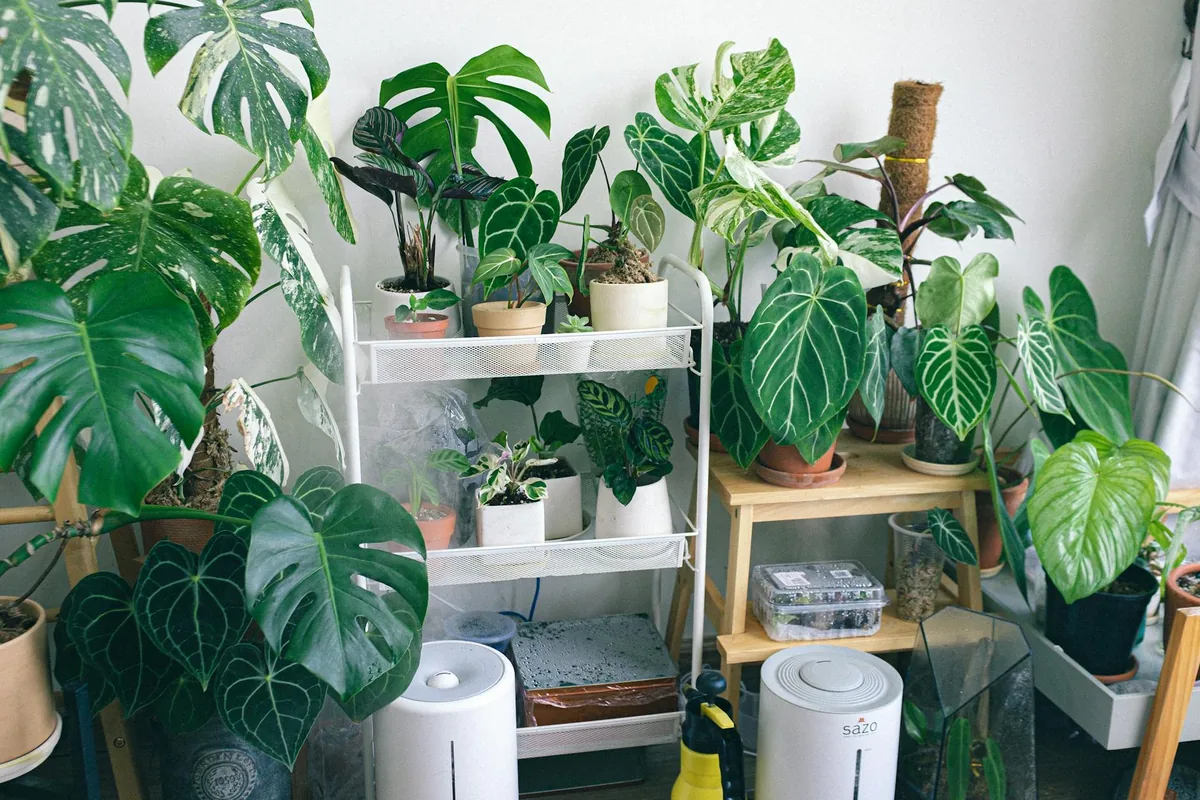
A True HEPA filter: the H13 or H14 grade, captures 99.97% of particles at 0.3 µm, with even higher efficiency above and below that size. The "0.3 µm" specification reflects the most-penetrating particle size for HEPA media; smaller and larger particles are captured more efficiently. For indoor PM2.5, ultrafines, pollen, dander, and mold spores, HEPA filtration is the single most effective consumer intervention available.
The sizing metric is CADR: Clean Air Delivery Rate, in cubic feet per minute, measured separately for tobacco smoke, dust, and pollen. AHAM's "2/3 rule": the unit's combined CADR should be at least 2/3 the room's area in ft², is a conservative starting point. A practical rule is closer to CADR ≥ room area in ft², which produces ~5 air changes per hour (ACH) in a standard 8-ft ceiling room.
For specific conditions, target more: 8–10 ACH during wildfire smoke or pollen-allergy seasons, 6 ACH for sensitive groups continuously. Multiple smaller units distributed through living spaces typically outperform one large unit, because air mixing across closed doors is poor. EPA's consumer guide covers selection criteria.
What HEPA doesn't do: it doesn't remove gases (CO2, VOCs, NOx), that requires activated carbon or ventilation. It doesn't kill bioaerosols faster than they'd die anyway in still air: the filter just captures them. Ozone generators and ionizers are not HEPA; the EPA cautions explicitly against ozone-emitting units. Watch the CFM rating; some units have impressive cubic meters per hour numbers but tiny actual airflow.
This is general guidance, not a substitute for professional assessment of your specific home. Major interventions (HVAC redesign, sealing a leaky envelope, mold remediation, electrical work for fans or venting) should be done with a certified professional. For chronic problems that don't respond to the steps here, see when to call a pro.
References
- AHAM - CADR program for room air cleaners aham.org
- EPA - Guide to air cleaners in the home www.epa.gov
- ASHRAE - Filtration and disinfection resources www.ashrae.org
- Consumer Reports - Air purifier ratings www.consumerreports.org