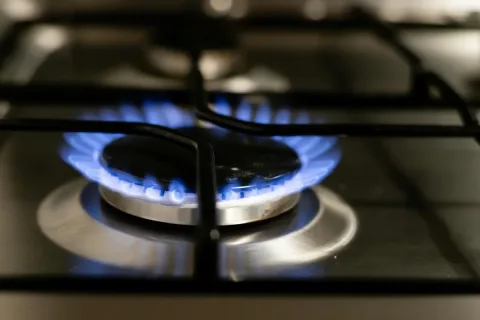

Indoor combustion is the source family that produces the strongest multi-pollutant signatures the dashboard sees. The fundamental physics is the same across types: incomplete oxidation of carbon-bearing fuel produces particulates, hydrocarbons, oxidized nitrogen species, and (where conditions are wrong) CO. The dashboard treats them as a family with shared characteristics and a few per-source variations.
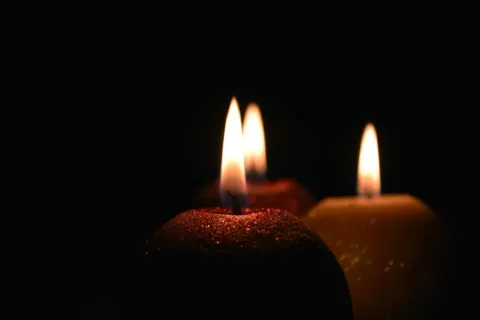
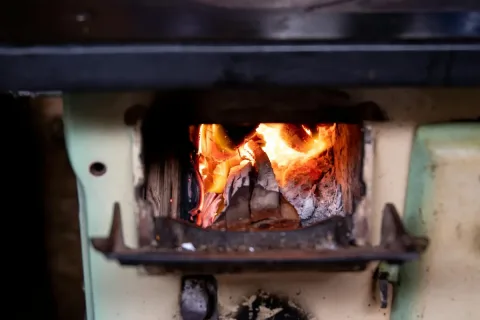
Five sources matter for most indoor environments. Gas cooking: short, sharp, kitchen-localized, recoverable. Candles and incense: extended duration, room-scoped, dominantly PM. Wood stoves and fireplaces: hours-long, whole-home, multi-pollutant. Smoking and vaping: per-use peaks with long thirdhand residue. Attached garages: vehicle and equipment combustion intruding through the envelope.
Shared signature features: NOx and PM2.5 rise in step; VOCs follow within minutes; ultrafines spike at the onset; CO2 rises proportionally to occupancy (not specifically combustion). Where they diverge: wood smoke carries far more VOCs and PAHs than gas or candles; vape aerosol has higher ultrafine fraction than tobacco smoke; garage events spike CO and benzene specifically. The dashboard differentiates by signature shape, not by single-parameter threshold.
References
- RMI - Gas stove pollution and health rmi.org
- EPA Burn Wise - Cleaner wood-burning practices www.epa.gov
- Derudi et al. - Indoor candle combustion products doi.org
- U.S. Surgeon General - Secondhand smoke (2006) www.surgeongeneral.gov