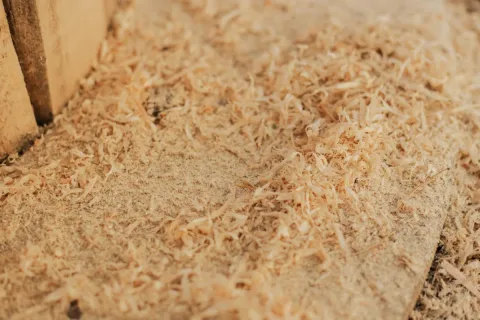

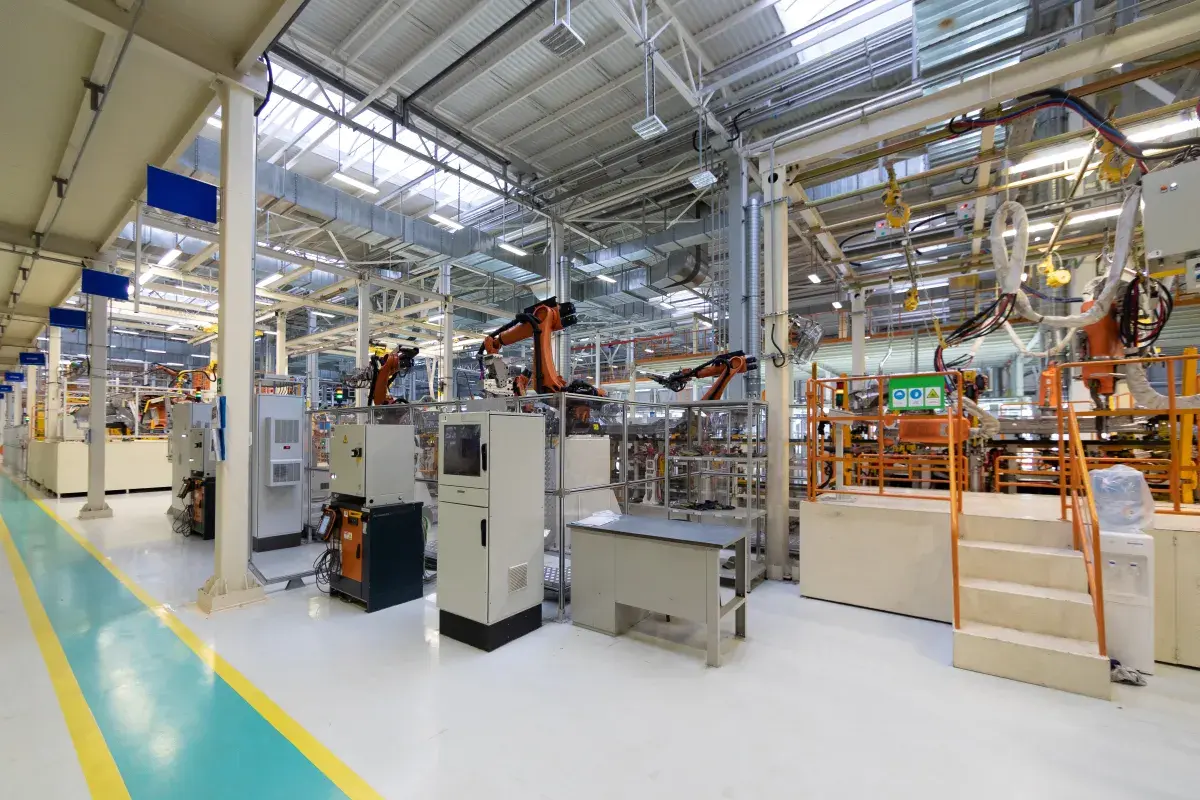
Factories, workshops, labs, and light-industrial spaces produce IAQ patterns that homes and offices do not: process dust, adhesives, solvents, forklifts, doors opening to loading bays, localized exhaust, shift schedules, and maintenance activities. A room monitor can make these patterns visible.
The sensor stack is useful for operational triage. PM channels show dust and recovery. VOC Index flags solvent or chemical-use events. NOx Index can help identify combustion patterns. CO2 and pressure context help separate occupancy, ventilation, and infiltration.
The limit is just as important: Terrestream is not a personal exposure monitor, industrial hygiene sampler, combustible-gas detector, or OSHA compliance instrument. Specific regulated hazards require the correct professional equipment, sampling method, and competent person.
Used correctly, building telemetry helps teams know where to look first, whether controls are improving recovery, and which recurring patterns deserve a formal industrial-hygiene assessment.
References
- OSHA - Indoor Air Quality www.osha.gov
- CDC NIOSH - Indoor environmental quality www.cdc.gov
- Sensirion SEN66 datasheet (PDF)