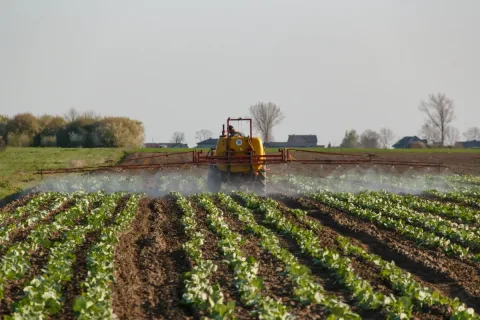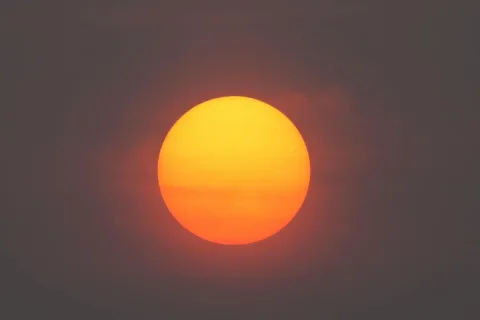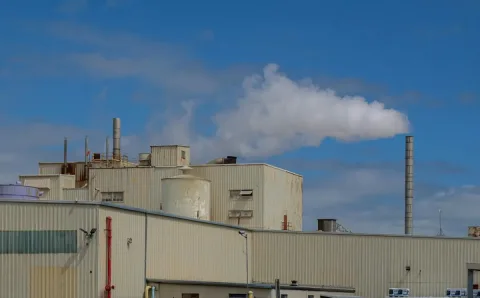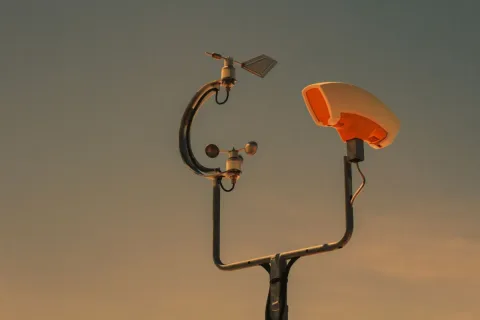

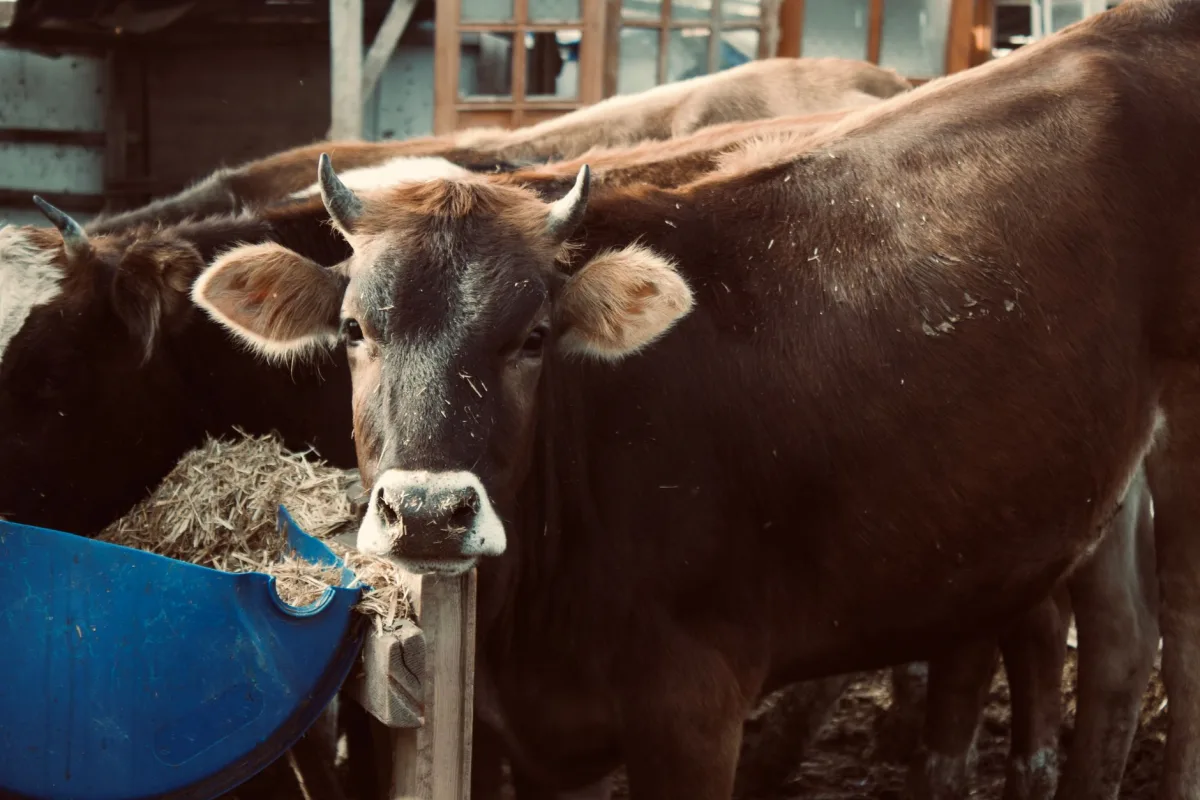
Ammonia (NH3) is the dominant alkaline gas in the lower atmosphere and the third-largest agriculture-related air emission category in the US after methane and nitrous oxide. The two big sources: livestock manure (especially confined animal feeding operations) and synthetic fertilizer (urea and ammonium nitrate volatilization from fields, particularly within hours of application). For most urban readers, ammonia is invisible; for readers downwind of agricultural production it is a primary determinant of bad-air days.
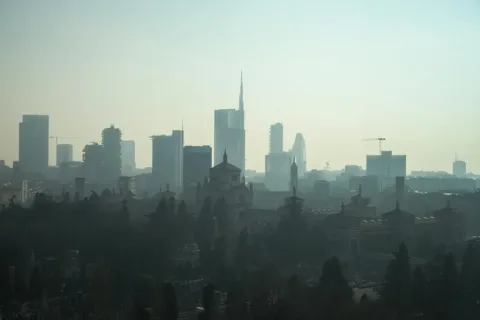
The dominant secondary effect is PM2.5 formation. NH3 reacts in the atmosphere with NOx (from traffic and combustion) and SOx (from coal and oil burning) to form ammonium nitrate and ammonium sulfate aerosols. These are major components of rural PM2.5; in the San Joaquin Valley, the Mid-Atlantic Piedmont, and many European agricultural regions, ammonium-nitrate aerosol can be the largest single PM2.5 component on winter days when boundary-layer mixing is poor.
The dashboard's outdoor feed does not carry an ammonia concentration: the Google Air Quality API reports PM2.5, PM10, ozone, NO2, SO2, CO and an AQI, but not NH3. What you see in the outdoor card is the resulting PM2.5, the ammonium-nitrate and ammonium-sulfate aerosol that ammonia helps form. For an end-user near agricultural sources, that outdoor PM2.5 forecast is the practical signal for anticipating bad-air days, more than anything happening at the sensor.
Indoor exposure: ammonia is not normally an indoor issue at residential levels. The exception is cat litter (concentrated urea) and some cleaning products (window cleaner). Both are transient and easily managed by ventilation. The Terrestream sensor will respond to high ammonia on the VOC index, but again the response is non-specific. See cleaning products for the indoor side, and outdoor air feeds for what the outdoor card actually carries.
References
- EPA - Agriculture and air quality www.epa.gov
- WHO - Ambient air quality and health (ammonia) www.who.int
- Open-Meteo - Air Quality API documentation open-meteo.com
- Copernicus CAMS - Global atmosphere monitoring atmosphere.copernicus.eu