
Indoor CO2 is a proxy for ventilation adequacy relative to occupancy. Sustained CO2 above 1,000 ppm (per Health Canada long-term residential guidance) or above 1,100 ppm (per ASHRAE 62.1) means one of four things is wrong.
1. Occupancy is high. A room sized for two occupants holding six during a movie night will hit 1,500 ppm regardless of building quality. Diagnosis: CO2 tracks expected occupancy. Action: temporary, open a window or move people. Sustained, you need more ventilation.
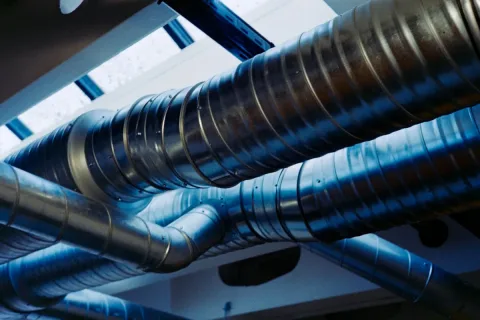
2. Ventilation is undersized. Modern energy-efficient envelopes can be too tight for natural infiltration to meet ASHRAE 62.2 minimums. Diagnosis: CO2 climbs steadily even at normal occupancy and never recovers fully. Action: install or upgrade an HRV/ERV; in commercial spaces, consider DCV. 3. The envelope is unusually tight (new construction, recently sealed). Same symptom as undersized ventilation; same fix.
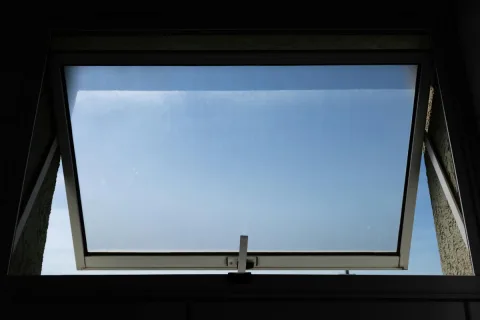
4. The HVAC is not running fresh-air mode. Many systems default to recirculation; the fresh-air damper may be stuck, blocked, or set to closed. Diagnosis: CO2 climbs even when HVAC is running. Action: check HVAC service. Until ventilation is fixed: open windows during favorable outdoor conditions (see open vs closed windows), limit room density when possible, and check bedroom CO2 if sleep quality is affected.
References
- ASHRAE Standard 62.1 - Ventilation for Acceptable Indoor Air Quality www.ashrae.org
- ASHRAE Standard 62.2 - Residential ventilation www.ashrae.org
- Persily - Indoor CO₂ and ventilation doi.org
- LBNL - Demand-controlled ventilation review doi.org