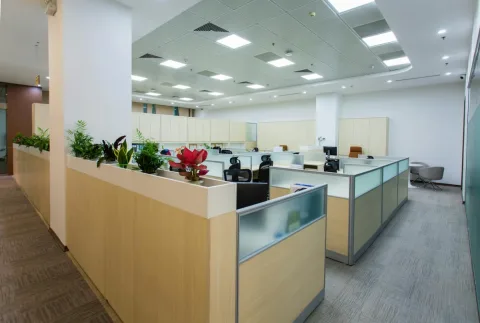

The term "sick building syndrome" entered public-health vocabulary in the early 1980s, used by WHO to describe clusters of occupant complaints in buildings without a single identifiable cause. Symptoms include headaches, eye/nose/throat irritation, fatigue, and difficulty concentrating; the diagnostic feature is that symptoms abate when occupants leave the building.
The label has fallen out of fashion in part because "sick building syndrome" suggests a mysterious disease, when the underlying physical problems are usually concrete and well-characterized. Mendell et al. reviewed the literature and found the strongest associations with low ventilation rates (high CO2), high VOC loads from materials, microbial contamination (dampness, mold), and inadequate temperature/humidity control.
In other words: SBS is mostly the cumulative effect of measurable indoor-air problems. EPA guidance points facility managers toward a systematic walkthrough: check ventilation rates, inspect for moisture/mold, audit recent material changes (paint, carpet, furniture), and verify HVAC maintenance.
Terrestream deployed across a problem building will identify which spaces and which parameters are contributing: high CO2 always points to ventilation; sustained elevated VOC points to materials or cleaning; intermittent humidity spikes point to plumbing or HVAC condensate issues. The data turns a vague "people complain about this floor" into a specific list of things to fix. When occupants then leave and feel better, you know which fix worked.