
The dominant indoor-air pressure rotates with the seasons. Winter brings tight-envelope problems: low humidity in heated homes (often below 25% indoors), elevated CO2 from sealed bedrooms, and wood-smoke infiltration in regions where wood stoves are common. Healthcare-acquired infection rates rise in step with low indoor humidity, which is part of why hospitals are tightening winter RH standards.
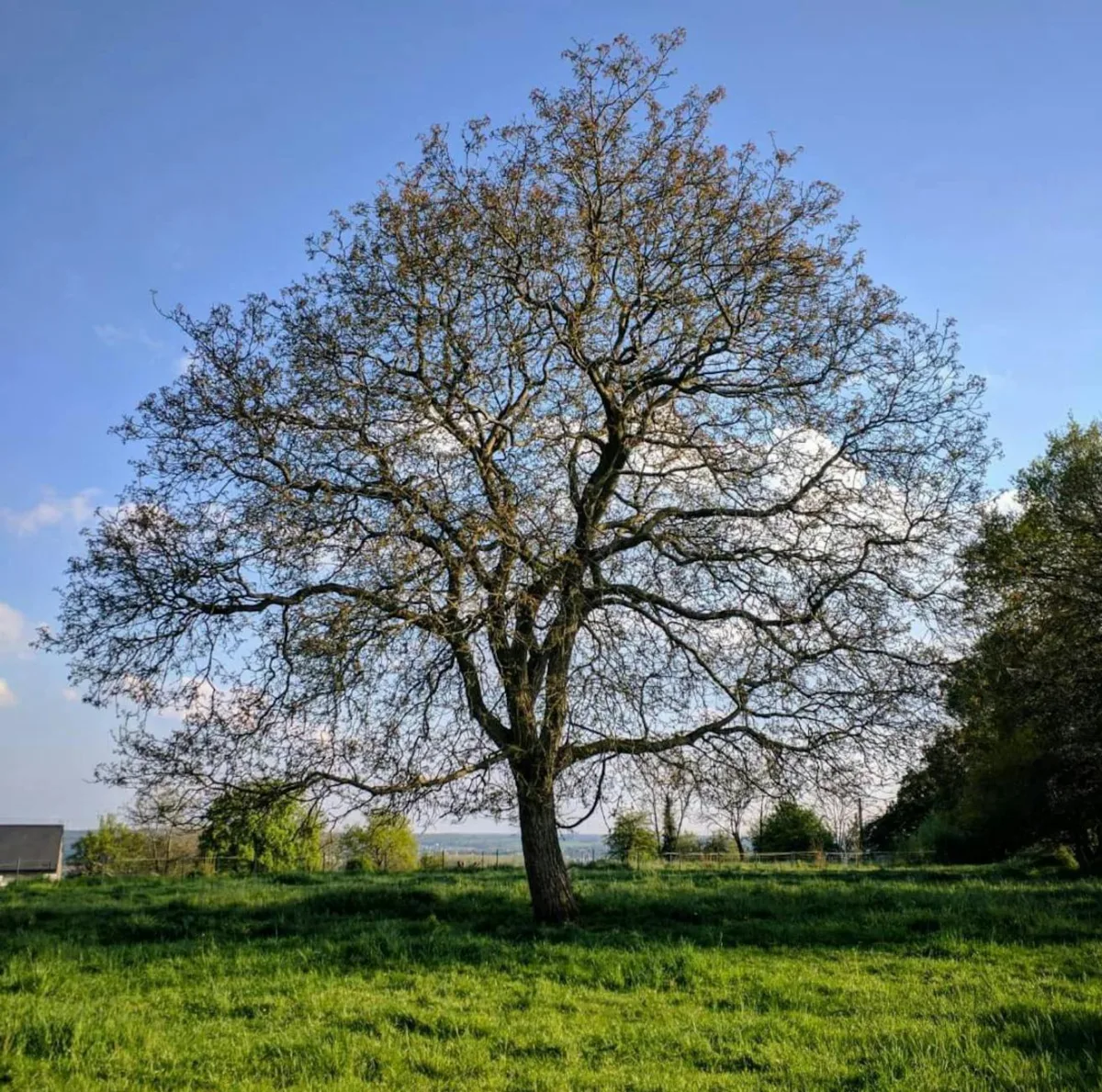
Spring brings the tree- and grass-pollen seasons; the pollen species article covers the diurnal calendar. Many households open windows for the first time after winter on the first warm day, which introduces a temporary VOC pulse from off-gassing winter-stored materials and (in pollen-allergic occupants) a sharp PM10 rise. The EPA ragweed indicator documents that spring pollen onset has shifted weeks earlier over the past three decades.
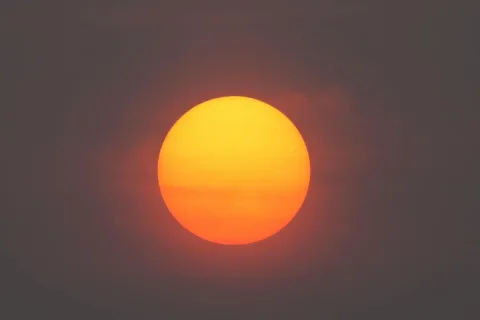
Summer brings the hot-humid combination, ozone-peak afternoons, and the increasingly extended wildfire season. Cooling systems run more, which generally improves indoor PM (well-maintained HVAC filters reduce infiltrating dust and pollen) but can introduce mold if condensate management is poor. Wildfire smoke is now a multi-month consideration across most of North America, not a regional issue.
Fall brings ragweed (August through first frost), the heating-system startup pulse (months of accumulated dust on coils and ducts becomes airborne in the first heating cycles), and the season-transition humidity drift. By Halloween, most cold-zone homes are back to winter patterns. The dashboard re-baselines after the first sustained season-change and recalibrates its "normal" rather than flagging every change as elevated.
References
- EPA - Climate change indicators: ragweed pollen season www.epa.gov
- EPA - Wildfire smoke course www.epa.gov
- AAAAI - Pollen allergy guide www.aaaai.org
- WHO - Guidelines for indoor air quality: dampness and mould www.who.int