
The VOC universe is enormous (tens of thousands of compounds across solvents, finishes, cleaning products, personal-care products, building materials, combustion residues), and the Terrestream VOC index reports a single number that responds to most of them in aggregate. The mitigation strategy follows that breadth: stop introducing them when you can choose, ventilate when you cannot, and accept that the VOC index will sometimes elevate without a clear cause because some compounds simply cannot be avoided in modern indoor life.
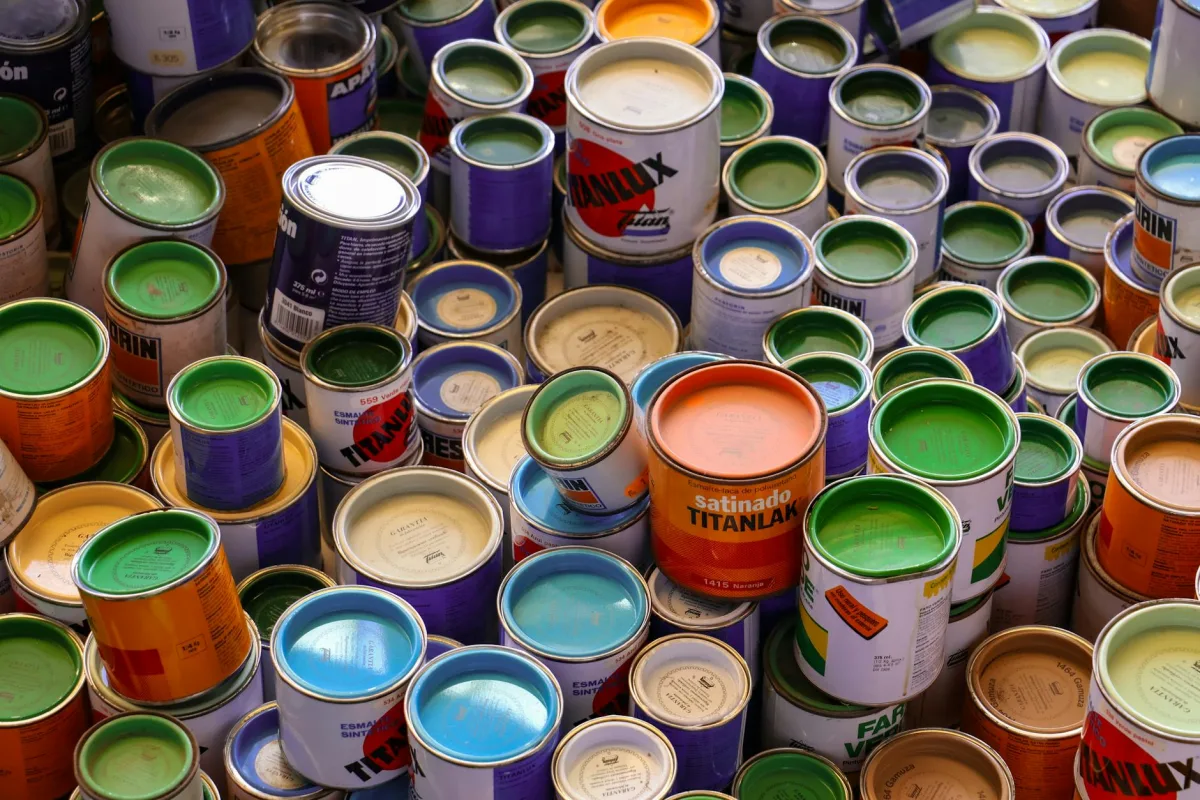
Substitute first. When buying paint, finishes, adhesives, sealants, or new furniture: look for third-party certifications. Green Seal, GREENGUARD Gold, Cradle to Cradle, and FloorScore each cover different product categories. For composite-wood furniture (cabinets, shelving, MDF tabletops), look for CARB Phase 2 or EU E1 emission ratings. For cleaning products: unscented when possible, and pump or trigger sprays rather than aerosols.
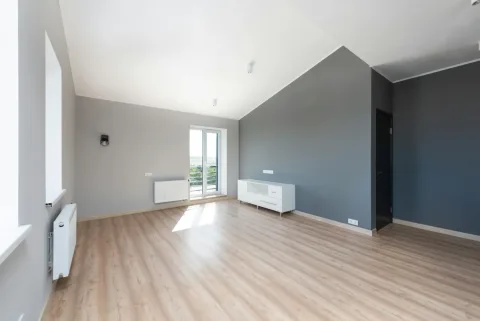
Bake out what you cannot avoid. New furniture, new flooring, freshly painted rooms: maximize emission rate temporarily so the highest-emitting period passes before normal occupancy. Warm the space (75-85°F) and ventilate aggressively for 24-72 hours. The chemistry: VOC release from polymer matrices is rate-limited by diffusion, and diffusion accelerates with temperature; you trade one bad day for many later mediocre days. See post-renovation IAQ.
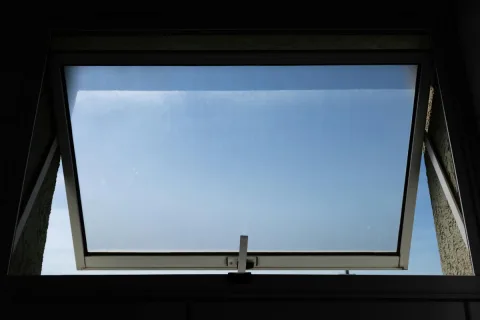
Ventilate during high-emission activities. Painting, cleaning with strong products, hair care with aerosols, gluing or finishing wood, refinishing furniture, cooking with high-heat oils, fireplace use, candle burning. Open windows or run exhaust fans during the activity and for an hour after. The dashboard's VOC index history shows the bake-out vs. no-bake-out shape clearly: the bake-out curve has a tall narrow spike that decays in days; the no-bake-out curve has a smaller but very long tail that lingers for weeks. See low-VOC finish selection for the substitution side, and formaldehyde detail for the specific high-concern compound.
This is general guidance, not a substitute for professional assessment of your specific home. Major interventions (HVAC redesign, sealing a leaky envelope, mold remediation, electrical work for fans or venting) should be done with a certified professional. For chronic problems that don't respond to the steps here, see when to call a pro.
References
- EPA - Volatile organic compounds and indoor air www.epa.gov
- Green Seal - Product standards www.greenseal.org
- California ARB - Composite Wood Products ATCM ww2.arb.ca.gov
- WHO - Formaldehyde indoor air guideline www.who.int