
Living with pets means living with dander, hair, saliva proteins (which are the actual allergen for many cat-allergic people), and the chemistry of litter, bedding, and food. The reasonable goal is exposure reduction, not elimination. AAFA and NIAID both note that no breed is truly hypoallergenic; "hypoallergenic" dogs and cats produce the same allergen proteins as their conspecifics, just sometimes at lower rates or with less shedding. A 50-80% exposure reduction is a realistic ceiling for households that keep pets indoors; that range is enough to make most allergic and asthmatic family members comfortable.
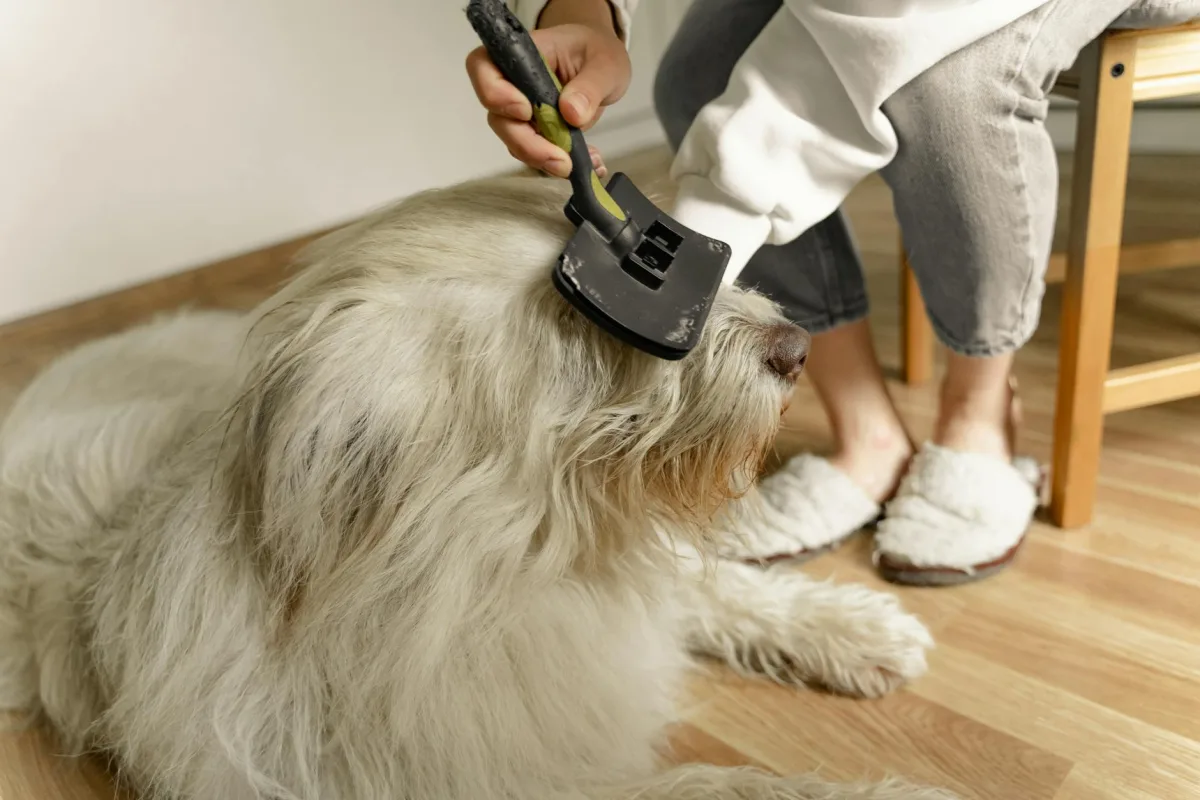
Dander source management. Weekly bathing for dogs reduces airborne dander measurably for the 3-5 days following the bath; bathing more often than weekly dries the skin and can backfire. Cats generally do not tolerate bathing; weekly brushing outdoors does the equivalent job. Use a HEPA-filtered vacuum with a sealed filter enclosure (many cheap "HEPA" vacuums leak unfiltered exhaust around the filter; the dashboard's PM2.5 trace during vacuuming will show whether yours leaks). Replace wall-to-wall carpet in high-pet-use areas with washable area rugs; carpet is a dander reservoir that vacuuming cannot fully clear.
Cat litter chemistry. Cat urine is rich in urea, which bacterial action converts to ammonia in the litter box over hours to days. The dashboard's VOC and NOx indices both respond to ammonia. Covered boxes concentrate the chemistry into a smaller volume but expose the cat (and the human scooper) to higher concentrations on each opening; uncovered boxes disperse the chemistry into the room but reduce the spike. Clay clumping litter manages ammonia chemically; corn and silica alternatives manage it physically. The durable answer in either case is twice-daily scooping and weekly full-replacement of the litter, plus a litter-area location that has some local ventilation. American Humane guidance covers the cat-welfare side of litter choice, which sometimes constrains the IAQ optimization.
Bedding strategy and HVAC. Designate washable bedding for pet sleeping and rotate it weekly through a 60°C wash; lower temperatures do not denature allergen proteins as reliably. The same applies to pet toys that absorb saliva. On the HVAC side, MERV-13 catches most airborne dander; continuous-fan operation rather than auto-cycling pulls more dander through the filter per day. Plan a seasonal-pet-shed timing for filter replacement; spring and fall heavy-shed weeks load MERV-13 filters faster than the year-round baseline. The dashboard's PM10 trace is the right diagnostic for whether the routine is working: a well-managed pet household holds PM10 close to the no-pet baseline; a struggling one shows persistent elevation that does not respond to outdoor PM. See pet dander for the underlying allergen, pets and IAQ sensitivity for the pet-as-receptor view, reducing PM10 for the broader playbook, and EPA IAQ guidance for the regulatory background.
References
- AAFA - Pet (dog & cat) allergies aafa.org
- American Humane - Pet care resources www.americanhumane.org
- EPA - Indoor air quality basics www.epa.gov
- NIH NIAID - Pet allergy www.niaid.nih.gov