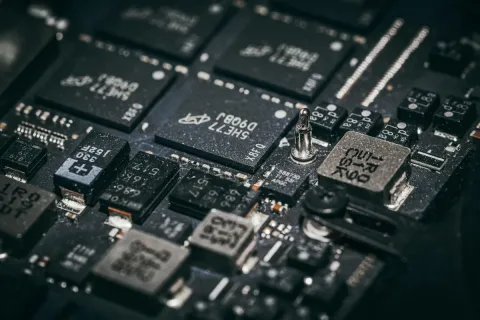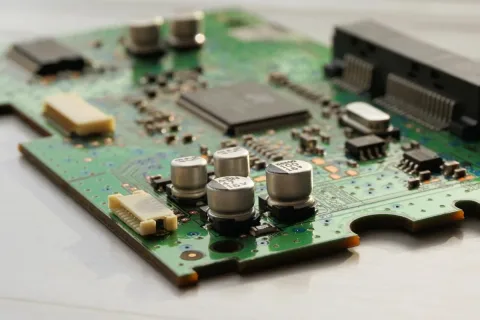


A modern IAQ monitor is not one sensor. It is a measurement stack. In Terrestream, the Sensirion SEN66 provides the primary indoor environmental node: particulate matter size buckets, CO2, temperature, relative humidity, VOC Index, and NOx Index. Bosch BMP390L pressure and Texas Instruments OPT3001 lux add context that helps interpretation, but they do not turn the device into a building-code or lighting-certification instrument.
Direct measurement means the sensor is reporting a physical channel with vendor-published units and limits: PM mass concentration, CO2, temperature, and relative humidity. Index output means the sensor reports an algorithmic signal intended to show relative change and event patterns, not a laboratory concentration. VOC Index and NOx Index are in this category.
Context is the quiet layer that makes the readings more useful. Pressure helps separate weather, infiltration, and building-operation patterns. Lux helps identify display, occupancy, daylight, and placement conditions. Those channels can improve root-cause analysis without claiming to prove compliance on their own.
The last layer is interpretation: baselines, co-movement, event timing, recovery, and source likelihood. That software layer must stay honest about what the hardware actually measured. The detailed evidence table lives in the Measurement evidence source library.