
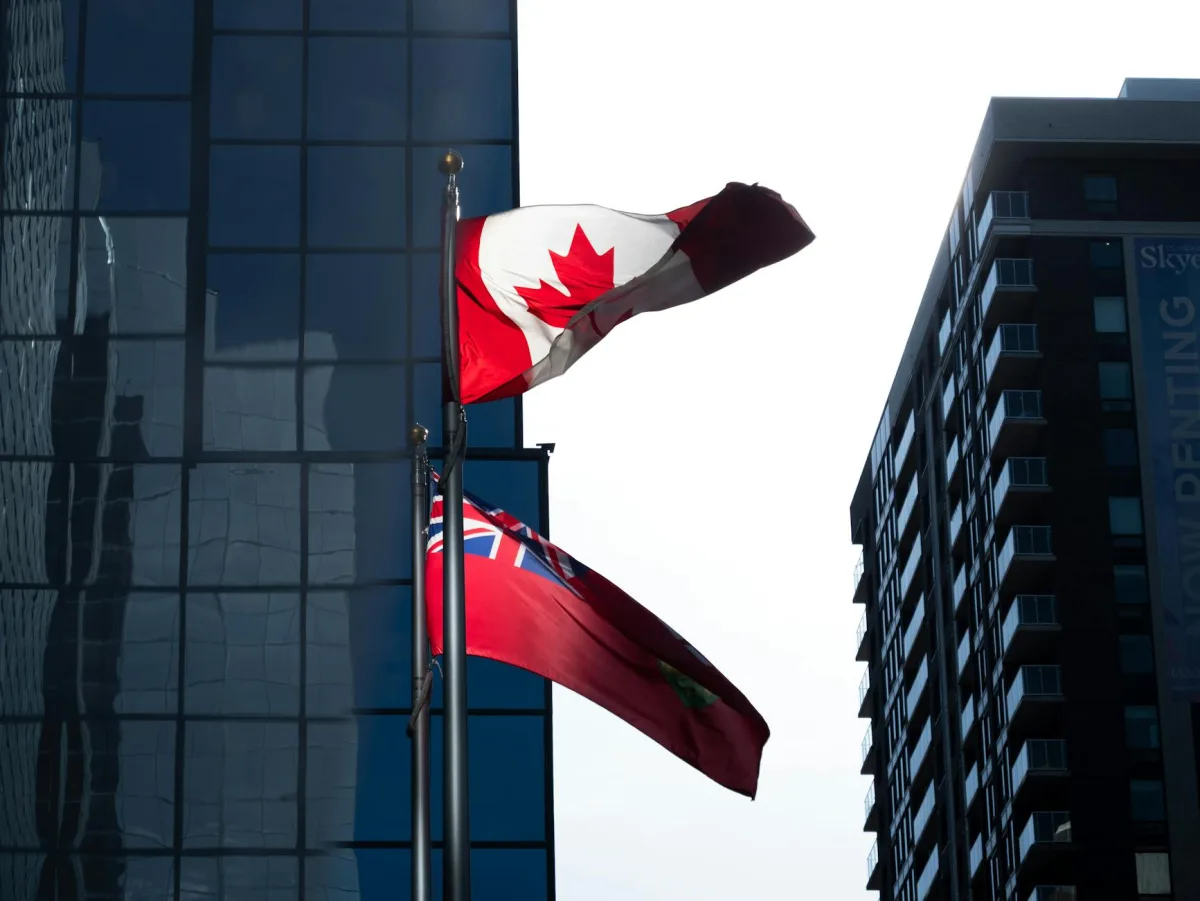
Canada publishes a series of residential indoor air-quality guidelines covering individual pollutants, separate documents for NO2, PM2.5, CO2, formaldehyde, ozone, radon, mold, and several others. They are not regulatory limits in the U.S./EPA sense, but Provincial public-health authorities use them as the reference for inspections and advisories.
The most-cited number is residential NO2: 90 ppb (170 µg/m³) over 1 hour, 20 ppb (38 µg/m³) long-term. The long-term limit is tighter than EPA's outdoor annual NAAQS (53 ppb), reflecting the higher-exposure context of homes versus ambient air.
PM2.5 residential guidance sets 40 µg/m³ as a 24-hour ceiling, comparable to EPA's outdoor NAAQS 24-hr standard. CO2 residential guidance suggests 1,000 ppm as the long-term target, aligning with ASHRAE 62.1 ventilation aims.
For Terrestream's Canadian users, the dashboard's "Health Canada" preset uses these thresholds instead of EPA values. The IAQ composite score remains on the same 0–500 scale, but tier cutoffs shift to align with the Canadian guidance.
References
- Health Canada - Residential NO₂ guideline www.canada.ca
- Health Canada - Indoor air contaminants overview www.canada.ca
- Health Canada - Residential PM₂.₅ guidance www.canada.ca
- Health Canada - Residential CO₂ guideline www.canada.ca