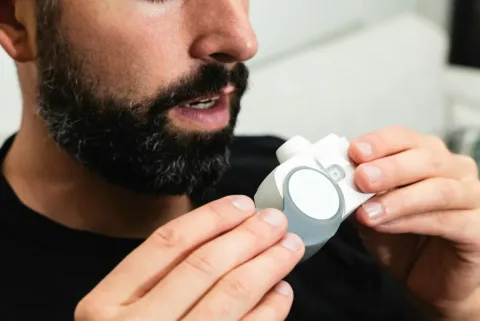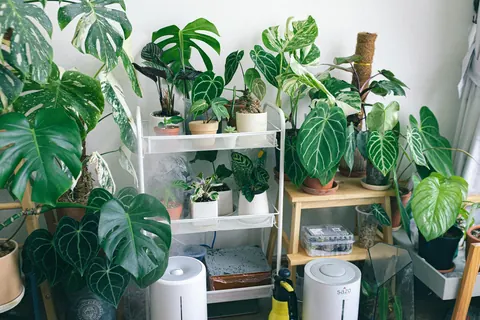


COPD (chronic obstructive pulmonary disease, encompassing emphysema and chronic bronchitis) affects roughly 16 million diagnosed US adults and as many again undiagnosed per CDC estimates. Unlike asthma, the underlying lung damage is largely irreversible; the role of air-quality management is to minimize the rate of exacerbations and slow long-term decline, not to restore function. This makes the daily and weekly numbers on the dashboard more consequential than they are for most other readers.
PM2.5 sensitivity is the headline. Multiple cohort studies summarized in the GOLD report link short-term PM2.5 elevations (24-hour averages above ~25 μg/m³) to measurable increases in hospital admissions and rescue-medication use the next day. The dashboard threshold most relevant here is a tighter indoor PM2.5 target: under 12 μg/m³ as a 24-hour rolling average, against the WHO PM2.5 24-hour guideline of 15 μg/m³. Asthma can tolerate higher; COPD cannot.
NO2 from gas combustion is the second-biggest indoor concern. Cohort studies show NO2 exposure correlates with COPD prevalence even after controlling for smoking history, and acute exposure (a winter evening with the gas range running for two hours and no exhaust) measurably worsens spirometry within hours. If a COPD patient lives in a home with a gas stove, prioritizing an exhausted range hood at high speed during all cooking is one of the highest-leverage interventions; see range hood usage and reducing NO2.
Wildfire smoke is the worst-case scenario. PM2.5 levels of 100-300 μg/m³ outdoors during smoke events are routine in recent fire seasons; even modest indoor infiltration produces indoor PM2.5 above any acceptable COPD threshold. The dashboard's job during such events is twofold: confirm that filtration (MERV-13 HVAC + portable HEPA sized per CADR) is achieving the indoor reduction you assumed, and detect the moment when outdoor levels are recovering enough to open windows briefly. See wildfire smoke.
This is environmental information, not medical advice. The dashboard's readings help you make decisions about the air in your space. They do not diagnose conditions, interpret symptoms, or replace conversations with your physician. If symptoms persist, worsen, or coincide with a known exposure, talk to a healthcare professional. See the AI's medical-advice scope.
References
- GOLD - Global strategy for COPD (2024 report) goldcopd.org
- NHLBI - COPD www.nhlbi.nih.gov
- CDC - COPD overview www.cdc.gov
- WHO Global Air Quality Guidelines (2021) www.who.int