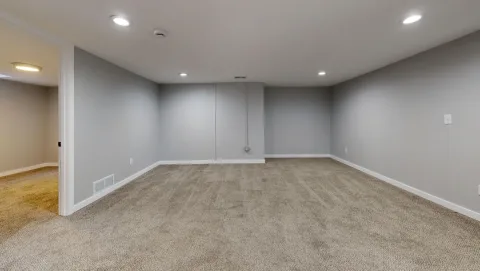

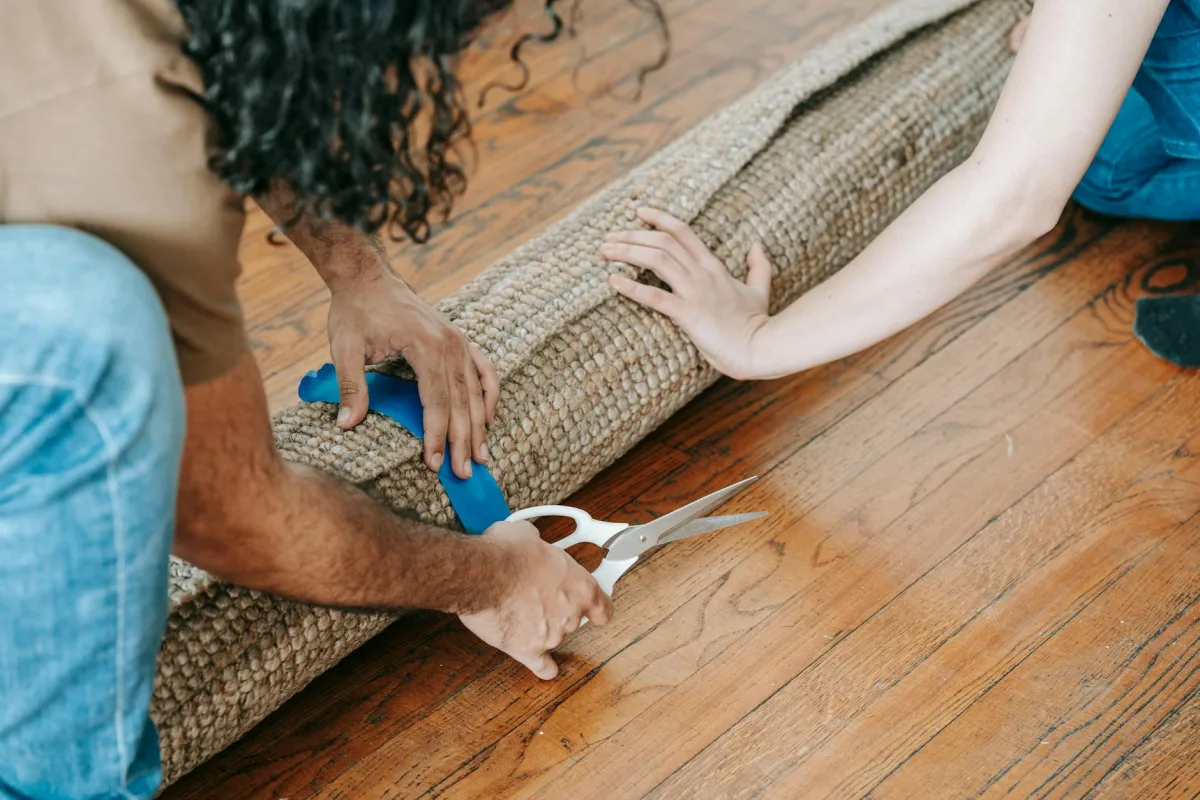
Carpet has two opposing IAQ effects that have to be evaluated together. On the positive side, the pile catches falling dust, pollen, dander, and skin flakes and holds them out of the breathing zone until the next vacuuming. On a hard floor those same particles get re-suspended every time someone walks across the room, so PM10 readings near floor level swing higher in homes with mostly hard surfaces. On the negative side, carpet is a reservoir: dust mites, pet allergen, mold spores from past spills, and tracked-in road and lawn chemicals all accumulate in the pile and stay there for years unless the cleaning regime is genuinely aggressive. Both effects are real.
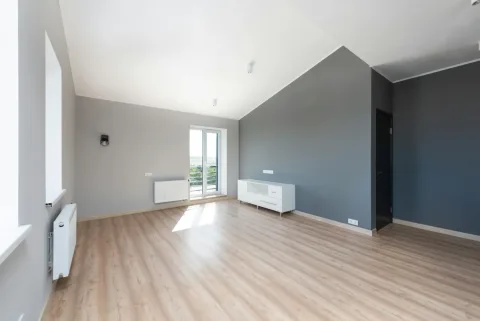
VOC emissions follow a different timeline. New carpet off-gasses heavily in the first two to six weeks, mostly from the synthetic backing (styrene-butadiene latex), the adhesives, and any factory stain-resistance treatments. A freshly installed wall-to-wall room will move the VOC index hard for a month and then settle to a low background. New hardwood off-gasses from the finish (polyurethane, water-based or oil-based), peaks in the first week, and tapers within three to four weeks; the wood itself is essentially inert. Luxury vinyl plank (LVP) varies widely: budget-tier product can off-gas phthalates and other plasticizers for months, premium-tier product certified to CRI Green Label Plus or UL GREENGUARD Gold is nearly as clean as tile. Tile and stone are inert; the grout and any sealer carry a brief mild VOC pulse and that is it.
Maintenance determines which floor type wins in actual occupancy. Carpet needs HEPA-filtered vacuuming twice a week to be net-positive on PM10; non-HEPA vacuums re-emit a substantial fraction of what they pick up and the room PM channel will show the spike on the dashboard during and after vacuuming. Hard floors need damp mopping rather than dry sweeping (dry sweeping re-suspends almost everything it dislodges) and benefit from area rugs in high-traffic zones to soften the re-suspension problem. A poorly maintained carpet is worse than a well-maintained hardwood for almost every IAQ metric; a well-maintained carpet beats a dry-swept hardwood in most rooms for PM10 at breathing height.
The recommendation framing the AI uses depends on what is in the household. With a dust-mite-allergic occupant, hard floor wins in bedrooms specifically (mite reservoir matters most where the head sits eight hours a night). With pets and young children, hard floor in living areas plus a washable area rug usually wins (rug goes through the washing machine; full-room carpet does not). With VOC sensitivity, choose any category but insist on GREENGUARD Gold or equivalent certification on the specific product, and ventilate hard during the first month after installation. For the installation window itself, see post-renovation IAQ and low-VOC finish selection. The "carpet is always bad" rule is a 1990s hangover from when synthetic backing and stain treatments were genuinely worse than today; product certification has narrowed the gap.
This is general guidance, not a substitute for professional assessment of your specific home. Major interventions (HVAC redesign, sealing a leaky envelope, mold remediation, electrical work for fans or venting) should be done with a certified professional. For chronic problems that do not respond to the steps here, see when to call a pro.
References
- EPA - Indoor air quality (carpet) www.epa.gov
- CRI Green Label Plus - Low-emitting carpet carpet-rug.org
- UL GREENGUARD Gold - Low-emission certification www.ul.com
- CDC NIOSH - Chemical exposure topics www.cdc.gov