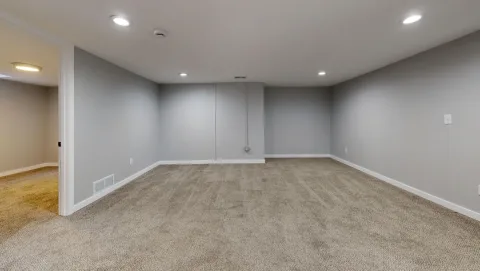

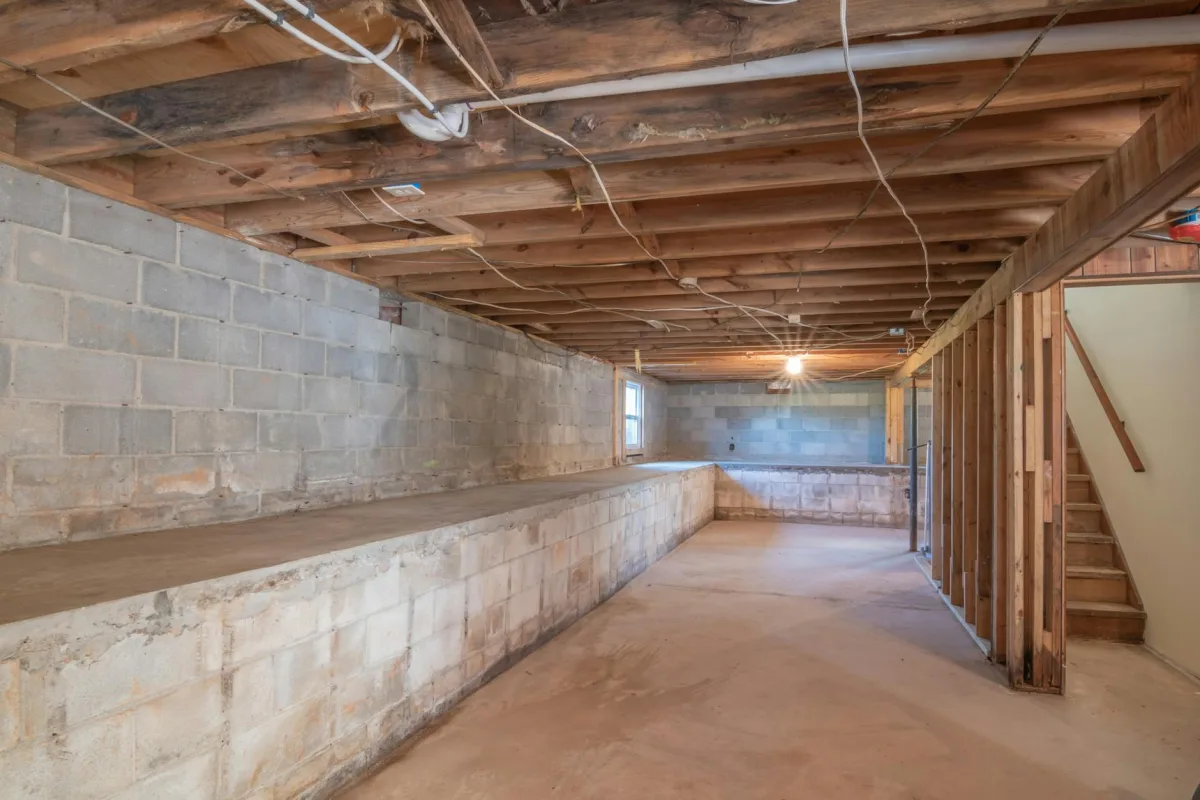
Radon (222Rn) is a radioactive noble gas produced by the decay chain of uranium in soil and rock. It seeps into homes through foundation cracks, sump pits, and the gaps around utility penetrations, and tends to accumulate in basements and lower floors. The EPA estimates radon causes about 21,000 lung-cancer deaths per year in the United States, the second-leading cause after smoking (the two interact synergistically).
No air quality sensor in the Terrestream class can detect radon. The hazard is an alpha-particle emission from atomic decay, not a chemical signature; the gas itself is chemically inert. Detection requires either continuous alpha counters (electret-ion-chamber or scintillation-cell instruments) or integrated tests using activated-charcoal canisters analyzed in a lab. Short-term test kits cost about $15-30 and run for 2-7 days; long-term alpha-track tests cost about $25-50 and run for 90 days to 1 year, which is the more accurate approach because radon varies seasonally.
The EPA action level is 4 pCi/L; the WHO reference level is 2.7 pCi/L (100 Bq/m³). Many radon professionals will mitigate at any level above 2 pCi/L because the dose-response relationship has no known threshold. Mitigation is usually a sub-slab depressurization system: a fan and pipe that pulls soil gas from beneath the foundation and vents it above the roofline. Cost ranges from $800 to $2,500 in most US markets. Health Canada uses a 200 Bq/m³ guideline.
The EPA publishes Radon Zone maps at the county level (Zone 1 = highest, Zone 3 = lowest), but the recommendation is to test every home regardless of zone because radon is determined by site geology, foundation type, and house construction, not just regional rock. Test now if you have never tested, retest after any significant foundation work, and retest if you add or remove a basement living space.
References
- EPA - Radon www.epa.gov
- WHO - Radon and health www.who.int
- Health Canada - Radon www.canada.ca
- EPA - Map of radon zones www.epa.gov