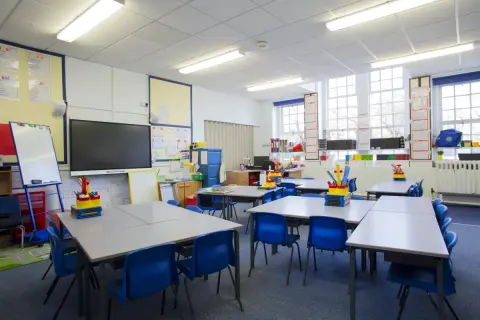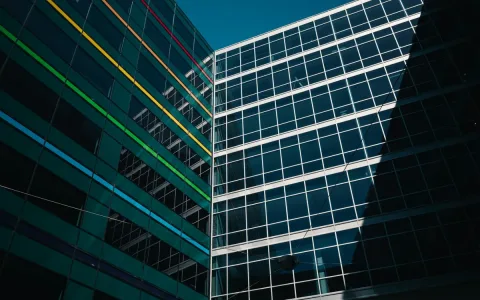


Offices create repeatable IAQ patterns. Meeting rooms accumulate CO2 fast. Open offices dilute slowly across zones. Cleaning shifts can create VOC events before employees arrive. Outdoor smoke or high-traffic air can enter through intakes if filtration is undersized.
A premium sensor stack gives the facilities team more than a comfort complaint. CO2 shows ventilation stress. PM recovery shows filtration and air-change performance. VOC and NOx indexes help identify source classes. Pressure and lux add context for building operation, occupancy rhythm, and placement.
The decision layer is where the value lands: tune ventilation schedules, verify meeting-room recovery, prioritize filter upgrades, identify chronic source patterns, and separate a one-off event from a building trend.
The strongest commercial posture is evidence-led and modest: fewer blind spots, faster root cause, better placement, and a source library that explains what each channel can and cannot prove.
References
- ASHRAE Standard 62.1 - Ventilation for Acceptable Indoor Air Quality www.ashrae.org
- WELL v2 Building Standard - Air concept v2.wellcertified.com
- Sensirion SEN66 datasheet (PDF)